Smartphones: The Indispensable Device of the Future

The importance of smartphones in modern society and daily life
Smartphones have become indispensable devices in modern society and daily life. They are used for virtually every aspect of life, from communicating with other people to controlling our homes. Smartphones are also now used for shopping and making payments, making them a critical part of everyday life.
The importance of smartphones in our lives has grown exponentially in recent years. They are now used for fun, entertainment, and productivity. From streaming movies and playing games, to organizing and managing finances, smartphones have become essential tools for staying connected, informed and productive.
Perhaps the most important aspect of smartphones is their ability to facilitate secure and convenient mobile payment systems. Mobile payments are becoming increasingly popular as they provide consumers with a fast and secure way to shop and make payments. This is especially useful for those who do not have access to a traditional bank account, such as those living in rural areas.
Augmented reality and virtual reality are also important advancements in smartphone technology. Augmented reality allows users to use the camera on their devices to see the world around them in a different way. Virtual reality, on the other hand, allows users to explore completely virtual worlds, with games and experiences that would be impossible to replicate in real life.
In conclusion, smartphones have become indispensable devices in modern society and daily life. They are used for communication, entertainment, shopping, payments, and more. With advancements in technology and features like augmented reality and virtual reality, the importance of smartphones in our lives will only continue to grow.
The rise of mobile payment systems and the future of financial transactions
Smartphones are becoming increasingly important in the world of finance. As the technology behind mobile payments becomes more sophisticated, it is likely that many consumers will choose to use their smartphones to make financial transactions. Mobile payment systems such as Apple Pay and Google Pay allow users to pay for goods and services with their smartphones in a safe and secure way. This eliminates the need to carry around cash or physical cards, which can be convenient and cost-effective.
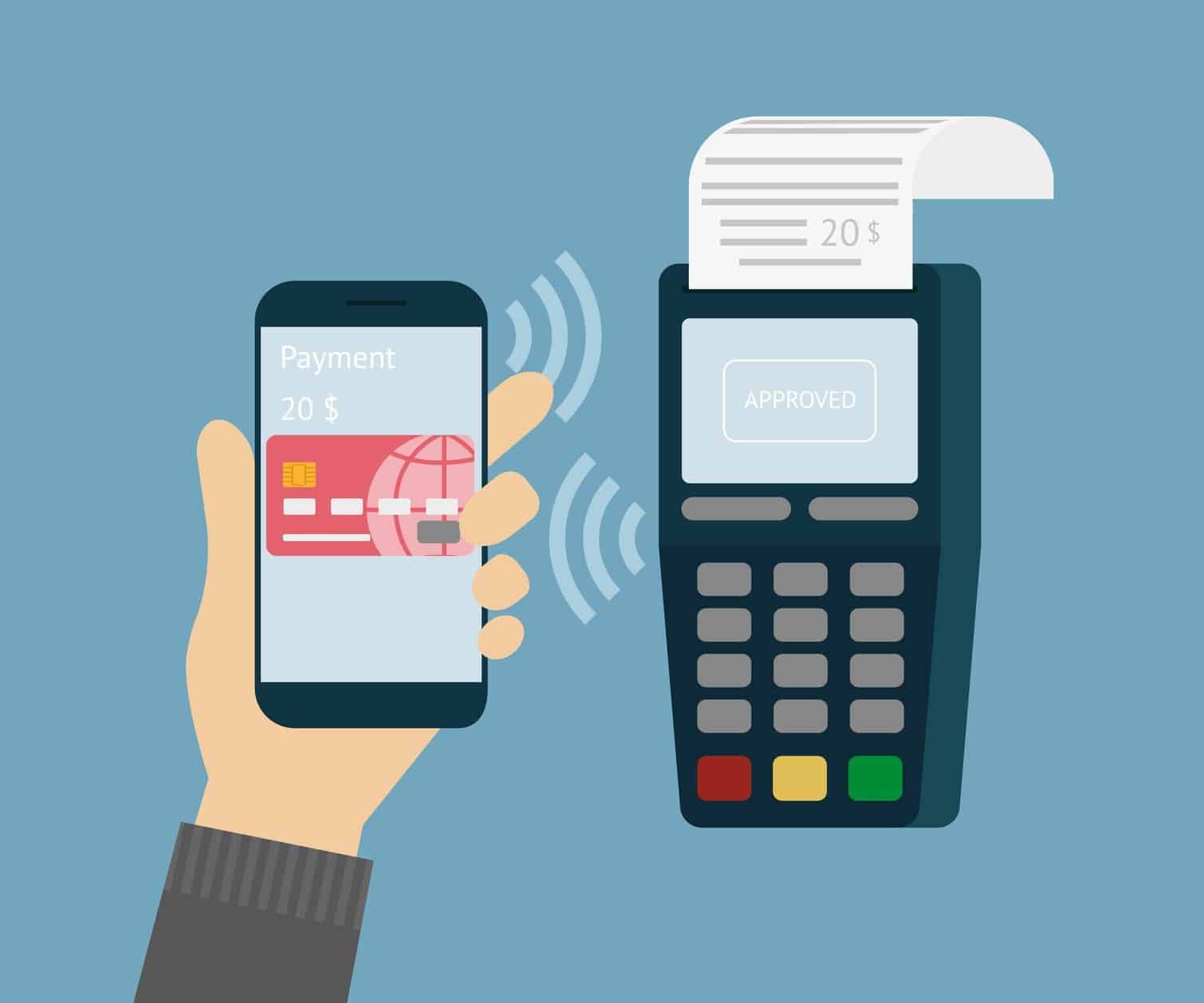
Mobile payments also have the potential to increase financial inclusion, especially in developing countries. People in these countries often lack access to traditional banking services, but mobile payments can provide them with a more secure and efficient way to make and receive payments. This could have a huge impact on the global economy, as it would create new opportunities for people who have been previously excluded from the financial system.
In addition to mobile payments, advancements in smartphone technology are also paving the way for the adoption of augmented reality (AR) and virtual reality (VR) applications in the finance sector. These technologies could be used to create more immersive banking experiences, allowing users to interact with their bank accounts and transactions in a completely new way. They could also be used to provide more secure financial services and better protect customers from fraud and identity theft.
The increasing importance of smartphones in the world of finance is clear. As technology continues to evolve and become more sophisticated, it is likely that more and more people will choose to use their smartphones to manage their finances. Mobile payment systems, augmented reality, and virtual reality applications are all part of this revolution, and they are likely to have a huge impact on the way we make and receive payments in the future.
The impact of augmented reality and virtual reality on smartphone usage
Smartphones are becoming increasingly important in our daily lives, and recent advancements in augmented reality (AR) and virtual reality (VR) technology are expanding the possibilities of what a smartphone can do. Augmented reality, which layers digital information onto our physical environment, and virtual reality, which immerses the user in a simulated environment, have far-reaching implications in terms of how we use our smartphones.
The use of AR and VR technology on smartphones is becoming increasingly popular, as companies such as Google, Microsoft, and Apple are investing heavily in this area. For example, Apple’s recent iOS 12 update included new functions that allow users to play augmented reality games, such as Pokemon Go. These games are not only fun but also provide an opportunity for users to explore their physical environment in a more interactive way.
In addition to gaming, AR and VR have many practical applications. For instance, these technologies can be used to create virtual tours of real-world locations, allowing users to experience a place without being physically present. This same technology is also being used to create immersive educational experiences and develop training programs for the workplace.
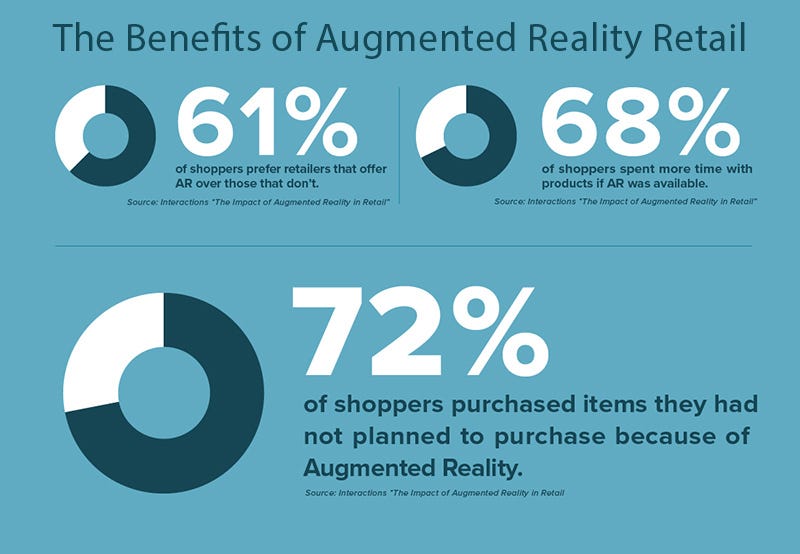
The implications of augmented reality and virtual reality for smartphone usage are far-reaching, and this technology has the potential to revolutionize how we interact with our devices. By utilizing AR and VR, smartphones will soon become more than just communication devices but also be used to explore and learn about our world. Furthermore, mobile payment systems such as Apple Pay and Google Pay will also become much more accessible, as users will be able to make payments with a simple tap of their fingers.
In short, augmented reality and virtual reality have the potential to completely transform the way we use our smartphones
Predicted advancements in smartphone technology and their potential impact on society and the economy
Smartphones have become an essential part of our daily lives, and their importance is only projected to grow in the near future. With the rapid advancement in technology, the capabilities of smartphones are only increasing, and their impact on society and the economy is projected to be quite significant.
One of the most important ways that smartphones will affect the future of our society is in their role as mobile payment systems. With more and more consumers relying on their smartphones for payments, the need for traditional methods of payments will diminish, and this will lead to an increase in convenience and cost savings for everyone involved. Additionally, smartphones can be used for mobile banking and other financial services, which will streamline the process and make it easier for users to access their money when needed.
Augmented reality and virtual reality are two technologies that are being increasingly used in smartphone technology. Augmented reality allows users to view and interact with digital information while maintaining a physical connection with the real world, while virtual reality immerses users into a completely new world. These technologies are quickly becoming more commonplace and are being used in a variety of ways, from education and entertainment to marketing and retail.
Advances in smartphone technology will also have an impact on the economy as well. Smartphones are becoming increasingly powerful and versatile, which means that they can be used in a variety of business applications. This increased power and versatility will lead to more efficient business processes, cost savings, and improved customer experience. Additionally, the use of smartphones in business will have a ripple effect on other industries, as the need for traditional services such as travel, banking, and retail will decrease.
Overall, the advancements in smartphone technology and their potential impact on society and the economy are quite significant

Smartphones have become an indispensable part of modern life, and as technology continues to advance, they are set to become even more integrated into our daily lives. From mobile payment systems to augmented and virtual reality, the importance of smartphones in the future cannot be overstated.
As the technology of smartphones continues to advance, so does the range of services and capabilities that they offer. With mobile payment systems such as Apple Pay, Google Pay, and Samsung Pay, it is now easier than ever to pay for goods and services with the tap of a button. This greatly simplifies the payment process and makes it easier to pay for goods instantly, wherever you are.
Augmented reality (AR) and virtual reality (VR) are also becoming more commonplace on smartphones. AR and VR allow users to experience the world in incredible new ways and are set to revolutionize the way we interact with our environment. From gaming to shopping, entertainment to education, AR and VR have the potential to enhance and improve our lives.
Smartphones are also becoming a powerful tool for medical advancements. With the use of sensors, apps, and other connected devices, doctors and researchers are beginning to gain a better understanding of how the human body works. This could lead to significant advancements in the diagnosis and treatment of diseases, making healthcare services more effective, reliable, and efficient.
The advancements in smartphone technology are making these devices more essential to our lives than ever before. With the continued development of mobile payment systems, augmented and virtual reality, and medical advancements, smartphones are set to become the indispensable device of the future.
Comments
Post a Comment